

The psychology behind casino game design

The allure of casino games
The psychology behind casino game design is deeply embedded in the fundamental human yearning for excitement and challenge. Gamblers are often attracted to the thrill of risk and reward, which can create a captivating adrenaline rush. Game designers leverage this principle effectively across various platforms, where elements of uncertainty and anticipation are strategically embedded. For instance, the suspense of watching a spinning wheel or the slow roll of dice significantly heightens excitement, drawing players into a deeper engagement with the game as they await potential outcomes, including options for nrl premiership betting that can enhance their overall experience.
Moreover, the visual and auditory elements within casino games are meticulously crafted to enhance players’ experiences. Bright colors, stunning graphics, and engaging sound effects contribute to an immersive atmosphere that keeps players engaged for extended periods. The sounds of coins cascading or the celebratory music that accompanies a win not only heighten the sense of achievement but also reinforce players’ urges to keep playing. These sensory experiences create a dynamic environment, allowing players to lose themselves in the thrill of the game.
A key psychological phenomenon at play is the “near-miss effect,” where players feel a sense of excitement even when they narrowly miss a win. Games are specifically designed to create this sensation of coming close to success, which can lead to the belief that a significant win is just around the corner. This interplay of hope and anticipation can compel players to continue their efforts, driven by the belief that their next attempt might be the one that pays off. In this way, game design taps into fundamental human emotions, enhancing player retention and engagement.
Underlying principles of game mechanics
At the core of every successful casino game lies a foundation of well-thought-out mechanics that dictate gameplay. These mechanics are intricately designed to promote player engagement and encourage ongoing investment of time and money. For example, random number generators are crucial in ensuring fairness and unpredictability, essential components for sustaining interest. When players recognize that each spin or card dealt is random and independent, they are more likely to remain excited about the possibilities with every interaction.
The concept of variable rewards is another pivotal aspect of game design that significantly influences player psychology. Unlike fixed rewards where outcomes can be predicted, variable rewards keep players in suspense and engaged for longer periods. This model leads to intermittent reinforcement, a powerful psychological trigger that can make gambling more addictive. For instance, players may receive payouts sporadically, making each session feel uniquely rewarding, even amidst losses. This unpredictability creates a compelling cycle that encourages players to keep returning for more.
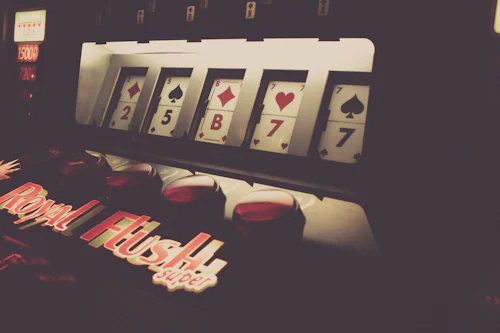
Additionally, the integration of themes and narratives can deepen the emotional connection players have with the game. Themes that transport players to exciting worlds, whether exploring ancient civilizations or attending luxurious galas, enhance the immersion factor. By creating a storyline for players to engage with, designers allow them to lose themselves in the gaming experience, thereby increasing the likelihood of repeated play. The combination of engaging mechanics, variable rewards, and captivating themes enhances the overall gaming experience, making it more memorable and enjoyable.
The role of social interaction
Social interaction is a crucial element influencing the design of casino games. Many games are created not solely for individual play but also to foster communal experiences. From poker to various table games, the social elements embedded in these designs amplify excitement and thrill as players engage with one another. Casinos leverage chat features or live dealer interactions to create an atmosphere that encourages a sense of community among players, ultimately enhancing their overall enjoyment and engagement.
Research indicates that social contexts can significantly influence player decision-making and risk-taking behavior. When players engage with others, it often amplifies their desire to participate, leading to bolder choices. This can be observed in scenarios where players cheer for one another, creating an electric atmosphere that can elevate stakes and engagement levels. The communal aspect of gaming not only boosts enjoyment but also encourages longer play sessions, as players are motivated to stay connected with their peers.
Furthermore, the design of casino games often incorporates competitive features that appeal to social dynamics. Leaderboards, tournaments, and achievements create an environment of friendly competition among players. This competitive spirit encourages players to return, striving to improve their rankings or earn accolades, thus increasing player retention. As players attempt to outperform one another, the excitement of competition enhances the overall gaming dynamic, making it more thrilling and engaging.
Emotional triggers in game design
Emotional triggers are pivotal in shaping players’ experiences within casino games. Designers employ specific psychological strategies to elicit emotions such as excitement, joy, and even a sense of loss. Often, games are structured to guide players through an emotional rollercoaster, creating peaks and valleys that keep them invested. The thrill of winning generates joy, while losses can evoke disappointment and a determination to recover, leading to a compelling cycle of engagement.

Moreover, the strategic use of colors and sounds plays an integral role in eliciting emotional responses. For instance, warm colors like red and gold are frequently associated with winning and prosperity, while blues may evoke a calming effect. Casino games often utilize a blend of these design elements to effectively cater to and manipulate player emotions. By leveraging psychological triggers, designers create a more immersive and impactful gaming experience, forging deeper emotional connections between players and the games they play.
Additionally, the incorporation of bonuses and achievements taps into players’ feelings of accomplishment. Rewards, whether they are small wins or substantial jackpots, are designed to enhance positive feelings, making players feel valued and successful. Such rewards can be addictive, feeding into players’ desires for recognition and enhancing their overall gaming experience. This emotional engagement ensures that players return, seeking out the thrill and emotional highs associated with their gaming endeavors.
The future of casino game design
As technology continues to advance, the landscape of casino game design is also evolving. Innovations such as virtual reality and augmented reality are beginning to merge with traditional gaming formats, creating immersive experiences that significantly enhance emotional engagement. Players can now feel as if they are part of the game, interacting with a three-dimensional environment that draws them deeper into the experience. This evolution has the potential to redefine player interactions and the thrill associated with casino gaming.
Furthermore, the integration of artificial intelligence allows for a more personalized gaming experience. By analyzing player behavior, AI can tailor gaming experiences to better suit individual preferences, ultimately enhancing overall engagement. Personalization may lead to customized rewards and game mechanics, ensuring that players feel recognized and valued in their unique gaming journeys. This adaptability is set to become a hallmark of future casino game design, accommodating a diverse array of player needs and desires.
In conclusion, the psychology behind casino game design is a complex and multifaceted subject, intertwining various elements that influence player engagement and satisfaction. As we advance into a more technology-driven future, understanding these psychological principles will be crucial for creating games that capture the thrill and excitement players crave. Continuous innovation combined with psychological insights will define the next era of casino gaming, ensuring that it remains captivating and rewarding for players.
Thông tin liên hệ:
[contact-form-7 id='152' title='Contact']